
Attachment Therapy
in Houston
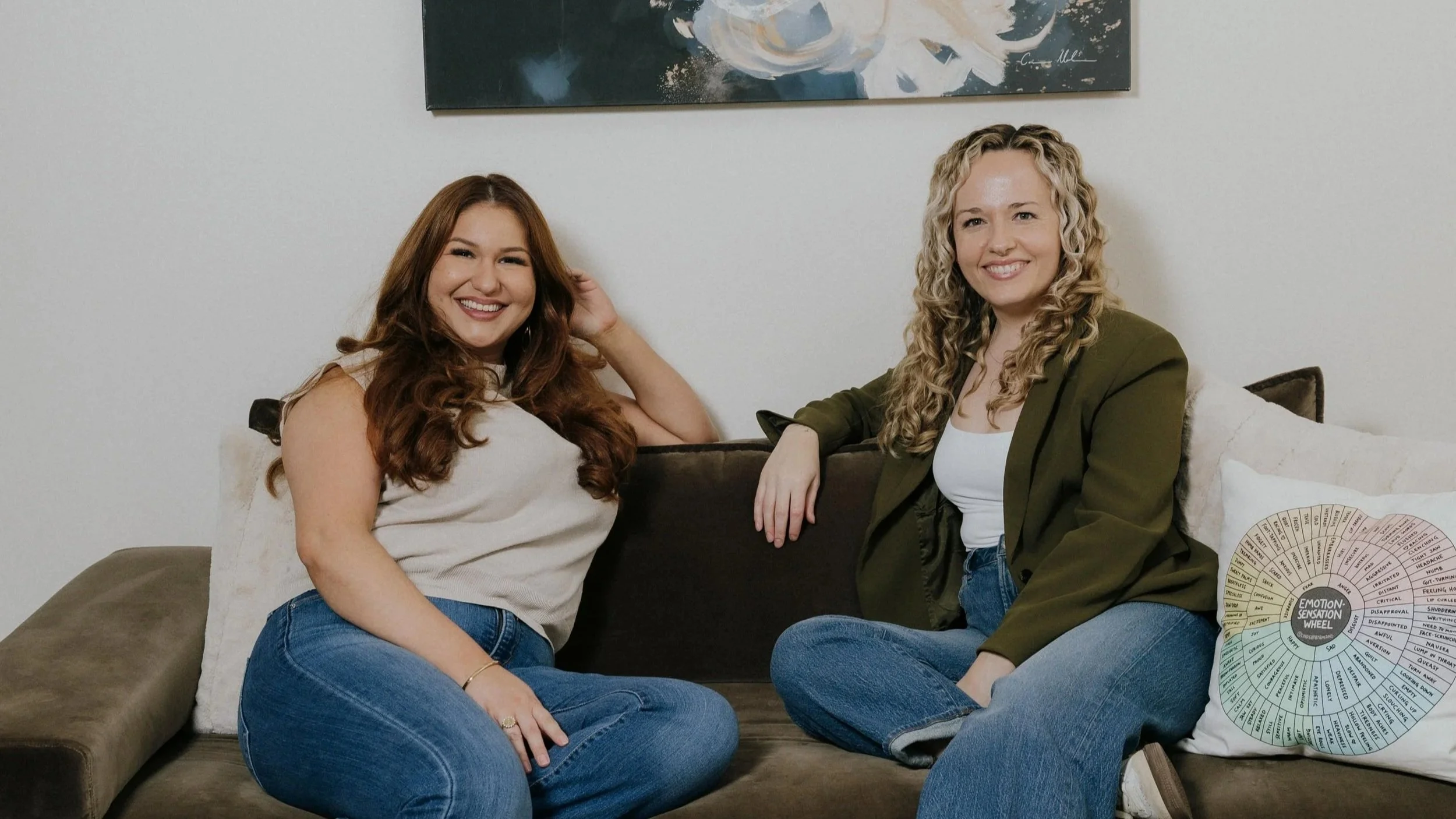
With Mary Duran, LCSW, LCDC
& Gabriela Treviño, LCSW

We help people untangle the relationship patterns that keep them anxious, guarded, or afraid of getting too close.
Do you want closeness, but the second someone gets too close, your walls go up?
Are there times you get attached quickly, then feel terrified that person will leave?
Or maybe you avoid relationships completely because needing people feels too risky.
From the outside, these patterns can look confusing. From the inside, they usually make a lot of sense.
They were ways you learned to protect yourself.
Clients Come To Us For:
Repeating unhealthy relationship patterns
Wondering why closeness is scary
Feeling uncertain or unstable
Keeping walls up
Clinging, chasing, or attaching hard and fast
Struggling with rocky friendships
Having trouble at work
Your relationship patterns are not proof
that something is wrong with you.
They’re clues about what your nervous system learned to expect from love, closeness, conflict, and distance.
How Our Attachment Therapy Works

We start by building a secure relationship in therapy.
That relationship becomes a model for how other relationships can feel when there is consistency, honesty, warmth, repair, and trust.
Instead of only talking about your relationship history, we look at what happens in real time when you feel rejected, misunderstood, trapped, abandoned, criticized, or too exposed.
Modalities We Use
-
We help you understand your attachment style and how it shapes the way you connect, protect yourself, communicate, and respond to closeness.
-
MBT helps you slow down and make sense of your own mind and other people’s minds. Instead of assuming the worst or blaming yourself, you learn to pause, reflect, and respond with more clarity.
-
We explore how early relationships and past experiences may still be shaping what you expect from people now.
-
DBT can help with emotional regulation, boundaries, communication, and staying grounded when relationship anxiety feels overwhelming.
-
When attachment wounds are connected to trauma, EMDR can help your nervous system process painful experiences so the past stops taking over the present.
The best time to start therapy is as soon as you’re thinking about it

Results From Our
Attachment Therapy
Choose better partners, friendships, and connections
Lean into closeness without pulling away
Better understand their needs
Boundaries are less scary
Feel calmer in conflict
It’s easier to trust
Have less anxiety or clinging
Breaking unhealthy relationship patterns
About Us
Mary Duran, LCSW, LCDC
And Gabriela Treviño, LCSW
Our clients describe us as down to earth and easy to talk to. We are often told we “aren’t like other therapists.”
We are not here to hand you generic relationship advice.
We help you understand yourself more honestly, feel safer in connection, and build relationships where you don’t have to abandon yourself to be loved.
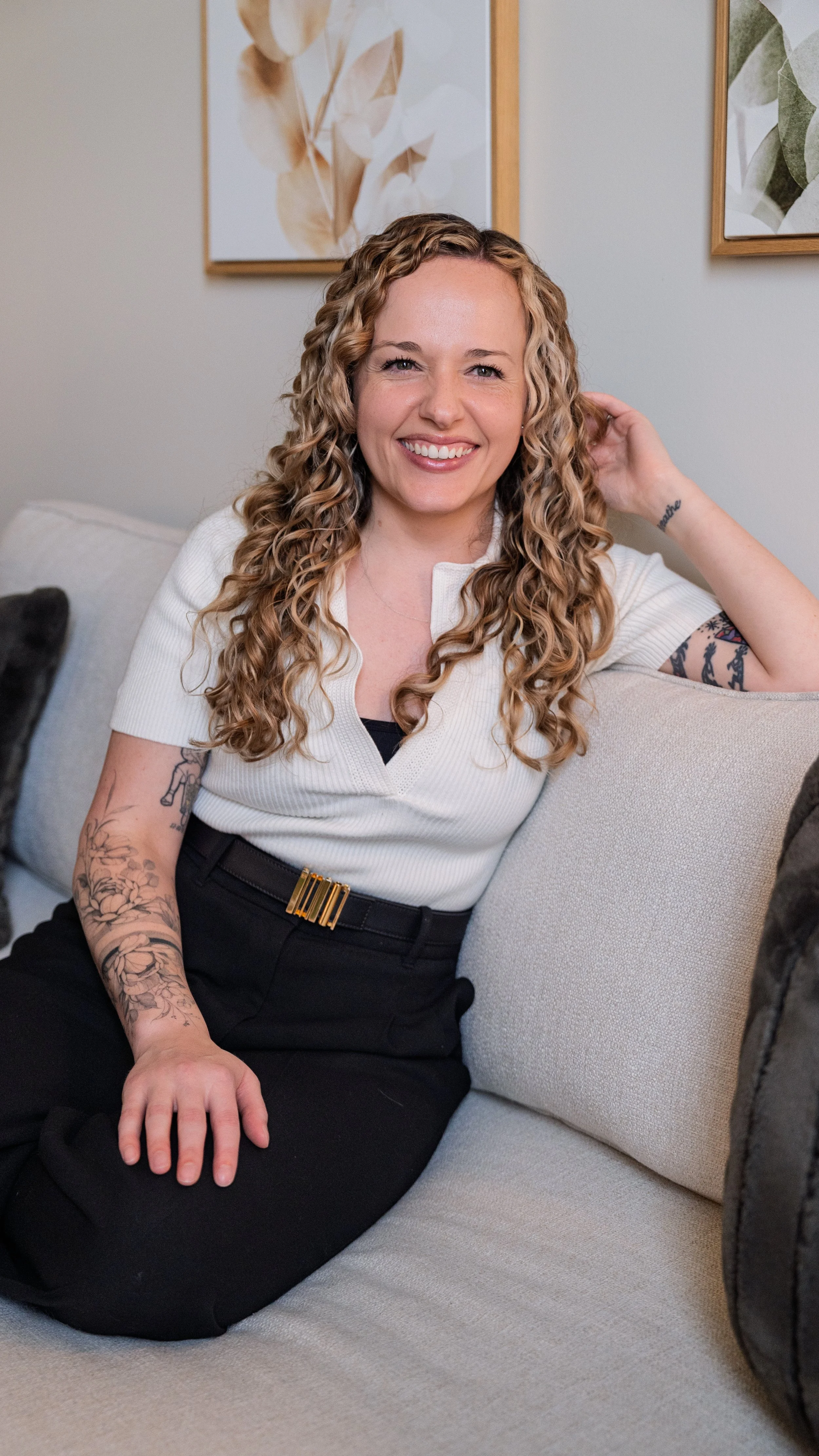
Therapist Mary Duran, LCSW, LCDC
more about me
👋🏼 Hi, I’m Mary
Before joining this practice, I spent years deepening my training in attachment-based theory and therapy. My work focuses on helping clients understand how early relationships shape the patterns they experience in adulthood, especially in the way they connect, communicate, and respond to stress.
Outside of the therapy room, I have practiced yoga for over a decade and find movement essential for calming a fast-moving mind. I live in Houston with my spouse and our two small dogs.
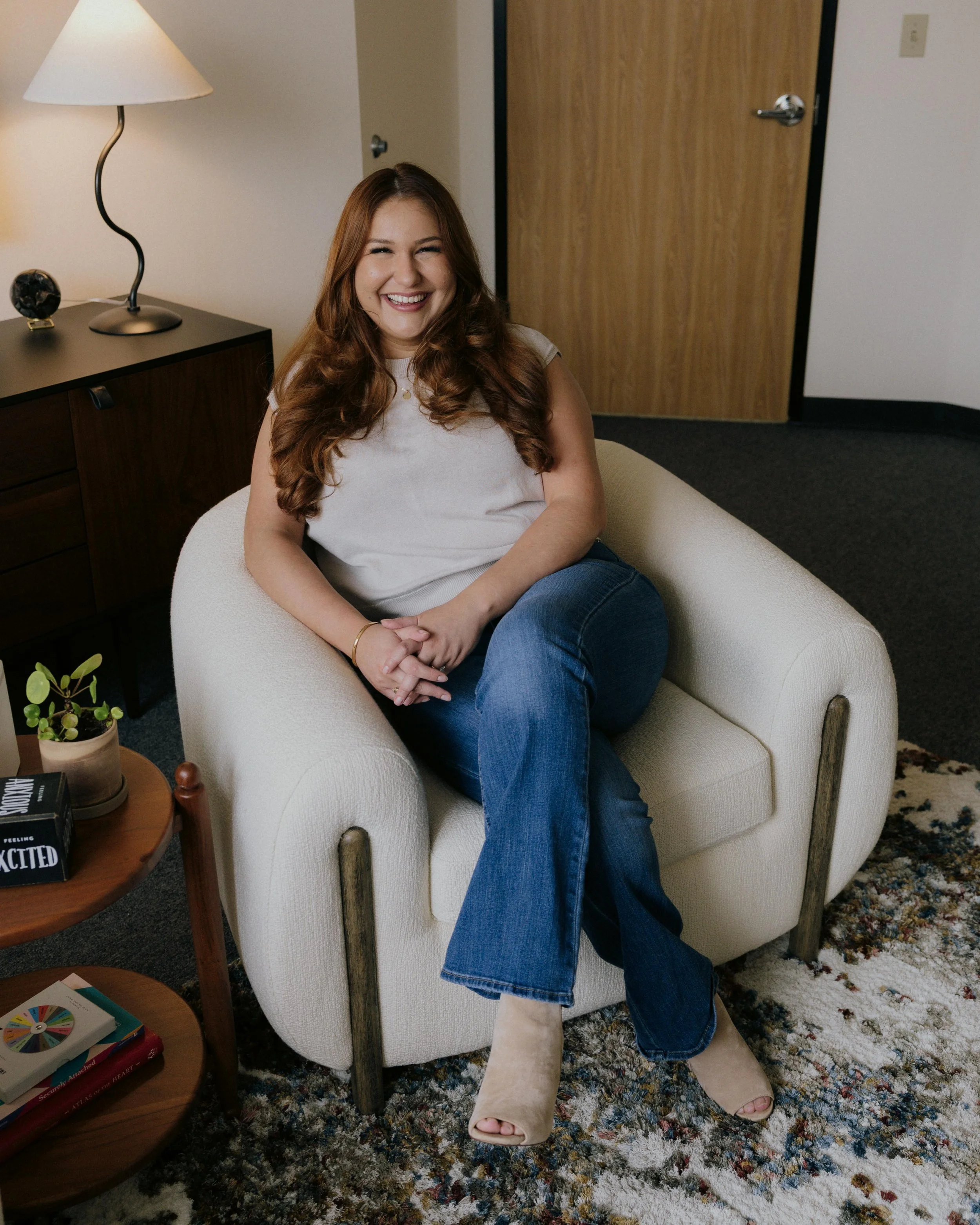
Therapist Gabriela Treviño, LCSW
more about me
👋🏼 Hi, I’m Gabriela,
Before joining this practice, I worked exclusively in trauma therapy, supporting clients as they processed and recovered from difficult and overwhelming experiences.
I was raised in Houston and feel deeply connected to the community here. In my free time, I enjoy getting lost in a good book, gardening, and spending time with my partner and our three dogs.
Availability: We work with clients in-person in Houston. Telehealth sessions available across Texas, Colorado, Maryland, Maine, Minnesota, Indiana, Pennsylvania, and Washington, D.C.
Education, Credentials,
& Trainings
Licensed Clinical Social Worker, Texas
Intensive Training in Borderline Personality Disorder, The Menninger Clinic, J. Flowers Health Institute, and UT Health
Advanced Training in Attachment-Based Therapy
Training in Dialectical Behavior Therapy (DBT)
Training in Mentalization Based Therapy (MBT)
Experience in specialized BPD treatment settings
3 Steps To Get Started
-
Fill out the contact form. We will personally respond and answer your questions.
-
We will schedule a short call to see if it feels like a good fit and talk through next steps.
-
We begin building trust, understanding your patterns, and creating a clear plan for our work together.